
Having a criminal record is more common than many people realize. In fact, one in three Americans have been impacted by the justice system. For many, a criminal record can create barriers that extend far beyond their initial involvement, making it more difficult to find employment, secure housing, and build financial stability. Record clearance and expungement can help remove these barriers, opening the door to opportunities that support individuals and create positive impacts for their families and communities.
At Flagger Force, our commitment to people extends beyond the work zone. Through our fair-chance hiring practices, we create employment opportunities for individuals of all experience levels and backgrounds who are ready to work, including veterans, citizens returning from incarceration, and people facing barriers such as transportation or housing instability. We invest in our people by providing the training and resources they need to build meaningful careers and move forward.
A key part of our approach to fair-chance hiring is building partnerships with other organizations and community partners who help connect us with ready-to-work individuals and remove barriers to employment. One organization we work closely with is Rasa Legal, a public benefit corporation on a mission to make the process of clearing a criminal record simple and affordable for everyone using technology and a team of legal experts. Through our partnership with Rasa, we offer eligible employees with Pennsylvania criminal records access to record clearance services. As Rasa expands into additional states where Flagger Force operates, we plan to grow the program and help more employees clear their records.
Our President and CEO, Mike Doner believes everyone deserves a chance. He shared, “Fair-chance hiring is about recognizing potential, removing unnecessary barriers, and giving people a chance to succeed. When we focus on what someone can contribute to the team, rather than letting their past define them, everyone benefits.”
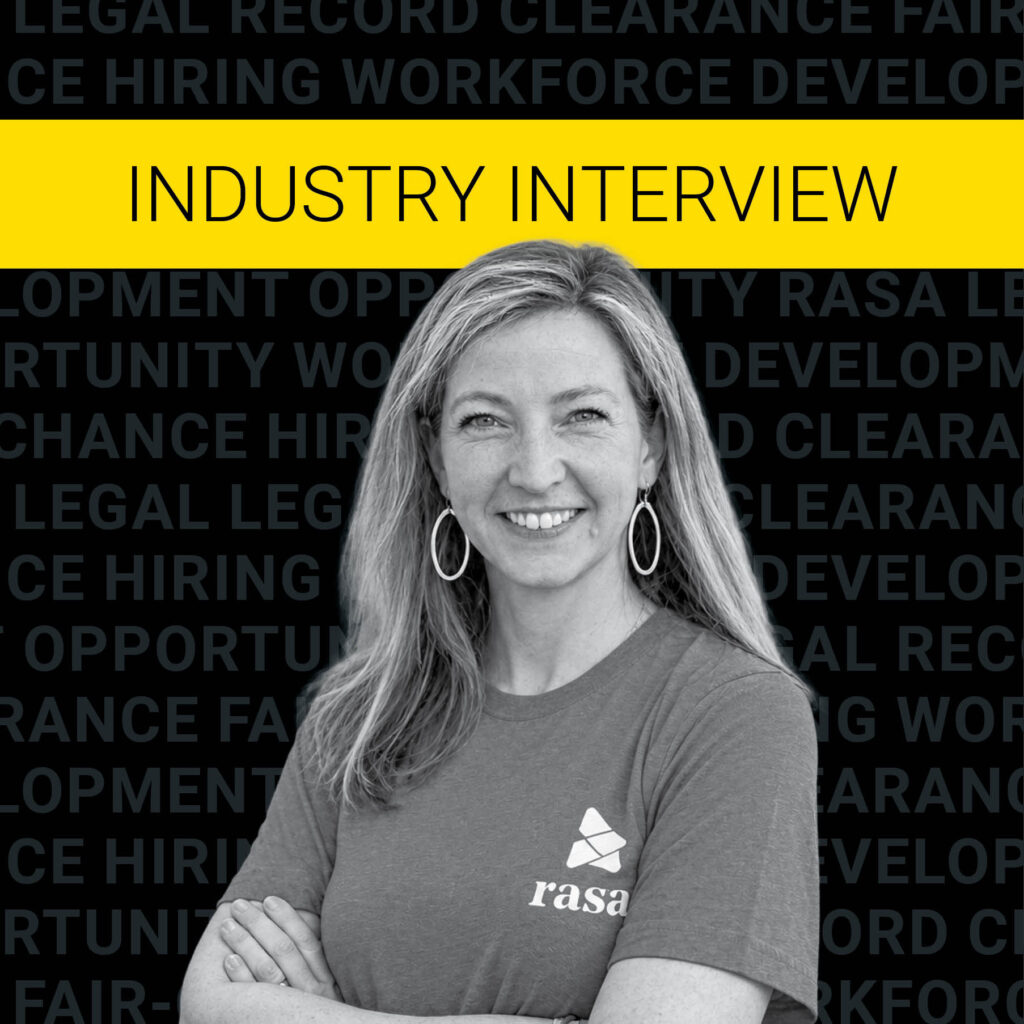
To learn more about the record clearance process, its ripple effect on families and communities, and how businesses and lawmakers can continue to collaborate to create pathways to opportunity for justice-impacted people, we spoke with Noella Sudbury, Founder and CEO of Rasa Legal. She shared insights into the challenges people face when navigating record clearance, lessons learned from working with fair-chance employers like Flagger Force, and the difference Rasa’s services can make in people’s lives.
Read what Noella shared during our recent conversation.
What inspired you to start Rasa, and what gaps in the legal system did you hope to address by making record clearance more accessible and affordable?
Noella: I’m an attorney by training and began my career as a public defender more than 17 years ago. That experience sparked my passion for criminal justice reform. I felt I was a good lawyer working within a broken system that often failed to address the underlying issues bringing people into the justice system, including substance abuse, mental health challenges, and poverty. Even when I achieved positive legal outcomes for my clients, many continued to cycle in and out of the system because those underlying challenges remained unaddressed.
I also saw hardworking people put in the effort to turn their lives around. They would remain crime-free, seek treatment, and work to rebuild their lives, only to encounter significant barriers when trying to do basic things like find a job or secure an apartment. That disconnect is a big part of why I’m so passionate about what Flagger Force is doing as a fair-chance employer. By providing opportunities to people, including those who are early in their transition out of incarceration, employers can help them move forward and build stability. We know employment is an important factor in reducing recidivism and breaking these cycles. Creating more opportunities for people with criminal records can make a meaningful difference in their ability to move forward.
What would you like readers to know about Rasa’s services?
Noella: Rasa helps people understand what’s on their criminal record and what options may be available to them. Our platform is powered by the records themselves, which is effective. Instead of asking someone, “How many misdemeanors do you have?” or “How many felonies?” we already know that information. It’s simple and it’s in real time.
We’ve put a lot of work into making our services easy to navigate because we understand how overwhelming it can be to figure out what’s on your own record, let alone understand what can be cleared. We connect people with legal professionals who guide them through the clearance process and keep them informed every step of the way.
Looking ahead, we want to continue growing and expanding our partnerships beyond record clearance. Our goal is to help people connect more directly with opportunities in employment, housing, healthcare, education, and other areas that support long-term stability.

How does Rasa’s innovative technology help simplify the record-clearance process for individuals?
Noella: We’ve built our own software to simplify the record clearance process from start to finish. Working with lawyers and engineers, we developed technology that uses actual criminal record data to assess an individual’s eligibility for record clearance and provide a real-time screening of their options under the law.
Behind the scenes, our technology also streamlines much of the legal work involved. Record clearance requires extensive paperwork, and individual jurisdictions may have specific form and documentation requirements. Individuals are also often asked to submit a statement about their past involvement with the justice system and the positive changes they’ve made in their lives. Our software helps generate the necessary paperwork, which our attorneys review before filing. We’ve also built automated workflows to help ensure documents reach the right people, include the appropriate attachments, and move through the court system in the correct order. By making these processes more efficient, we can provide more affordable legal services.
We also want clients to feel informed and supported throughout the process. Some have called our platform the “expungement pizza tracker” because they can log in to see the status of their case as it progresses, from drafting and filing to the final outcome. The platform centralizes their paperwork and documentation, giving the individuals we support a convenient way to track progress and message our team with questions. This allows people to stay informed about their cases while focusing on work, family, and everyday life.
Could you share a story that illustrates how clearing or sealing a record changed someone’s life, career, or outlook for the future?
Noella: There are countless stories of people we’ve helped through this process, but the one that I’ll share today is about a woman named Destiny. I met her while doing program work at a county jail. She had experienced domestic violence and when police responded to the disputes both people were charged, despite her being the victim. After sustaining legitimate injuries, she became dependent on opioids and eventually began misusing them to numb the pain of what was going on in her life. Destiny eventually escaped the abusive situation with her children, but they became homeless. When I met her, she had been booked into jail on outstanding warrants, including for missing court appearances and retail theft, which included stealing food as her family struggled to survive.
What I saw when I met Destiny was an incredibly loving mother and a strong woman caught in a difficult cycle. Her criminal record made it harder to find employment and secure stable housing, creating additional barriers as she tried to rebuild her life.
After her release, we helped her connect with a fair-chance employer willing to give her an opportunity. Over time, because people are not often eligible to clear their records right away, Destiny qualified for expungement. She initially tried to navigate the process herself to avoid expenses, but as the filing deadline approached, she worried she wouldn’t be able to complete it. Thanks to the technology we had developed, we were able to prepare and file the necessary paperwork before the deadline, allowing her to complete the process without starting over. Ultimately, her entire record was cleared.
Today, Destiny is thriving. She is record-free, earns a strong salary as the Executive Director of a nonprofit organization, and has become a first-generation homeowner. She has also started a college savings account for her young daughter. Her older son has become a police officer, and he is passionate about the work he does because he wants to help people like his mother.

Destiny has broken a cycle for her family. Seeing her succeed and her family find stability is an incredible example of the impact of our work. Record clearance can change one person’s life, but its benefits can extend to their children and the broader community.
Why is clearing or sealing an eligible criminal record so important for someone working to move forward in life?
Noella: In Pennsylvania, where Flagger Force is headquartered, more than three million people have a criminal record. Even old or minor records can create significant barriers to finding employment, securing housing, or building stability. When people struggle to find work and support their loved ones, they can become trapped in unlawful and difficult cycles. Clearing a criminal record and gaining access to real employment opportunities can help break those cycles.
Nine out of 10 employers conduct background checks, which can affect a person’s ability to secure a new job or advance in their career. When a record is cleared or expunged, people have the right to answer “no” when asked if they have a criminal record on a job application. Under the Fair Credit Reporting Act, background check companies must also remove cleared records from their databases. When a person can answer “no,” it puts them on an equal playing field with everybody else who applied.

When people can remove the friction of a background check and present themselves as the wonderful, skilled, hardworking person they are, magic can happen.
What is a common misconception about the criminal record clearing or expungement process?
Noella: One common misconception is that people with criminal records have no options for clearing them. When I started doing this work about 10 years ago, fewer states offered meaningful record clearance options. Today, laws have expanded significantly, and many people may be eligible to clear at least part of their records. Unfortunately, some still believe nothing can be done.
Another misconception is that clearing a criminal record is as simple as filling out a few forms. In reality, the process can be complicated and intimidating. People may make mistakes, miss deadlines, file paperwork incorrectly, or struggle to determine which forms to complete and where to submit them. Even when information is available online, knowing how to navigate the process can be difficult and, for some, re-traumatizing.
That’s why accessible tools are so important. People should be able to understand what’s on their record and explore their eligibility options without having to navigate a complicated legal system on their own.
What have you learned from working with employers, like Flagger Force, who are committed to fair-chance hiring and supporting justice-impacted individuals?
Noella: We love our partners, and I’ve learned a lot from them. One of the key takeaways is that meaningful fair-chance hiring goes beyond simply opening jobs to people with criminal records. Employers need to provide real opportunities for advancement and support employees as they build their careers. Flagger Force stands out for its thoughtful approach, from its Employee Hardship Fund and support for people on probation to its willingness to hire individuals who are early in their transition out of incarceration. Mike Doner, Flagger Force’s President and CEO, has been a champion of this work from the beginning, focusing on what matters most in an employee: their reliability, work ethic, and commitment. That mindset demonstrates that fair-chance hiring is not just the right thing to do, but a smart business move that can support retention and long-term growth.
When we talk about our partners, we’re also excited about the opportunity to connect people in Rasa’s network with employers like Flagger Force. Every week, 300 to 400 people use our platform to search for job opportunities. Connecting them with employers who recognize their potential and offer room to grow can help them move beyond simply finding a job to building a lasting career.
Where do you see the biggest gaps today when it comes to helping justice-impacted individuals successfully reenter the workforce?
Noella: I think employers can do more by first examining their hiring criteria and understanding how a criminal record influences their decisions. Too often, people are excluded from opportunities for reasons that may not be relevant to their ability to do the job. I encourage employers to ask themselves who they’re screening out, whether those decisions are necessary, and where they could open the door to more qualified candidates.
Fair-chance hiring also starts with leadership. Leaders need to be vocal about their commitment, address concerns and misinformation, and create a culture where employees feel comfortable asking questions. For example, if hiring justice-impacted individuals is a safety concern for other employees, leaders should be willing to discuss it openly and explain how they can hire fairly while maintaining a safe workplace. Avoiding these conversations can undermine a program’s success. Transparency helps employees understand the purpose behind fair-chance hiring and how it can benefit both the workforce and the business.
Looking ahead, how can employers, legal organizations, community partners, and policymakers work together to create more opportunities for people impacted by the justice system?
Noella: We need continued legal reform to create pathways for more people to clear their records, along with fair-chance hiring laws that expand employment opportunities. I’m also thinking a lot about how AI is changing the hiring landscape and what that means for the people Rasa serves. As employers increasingly use AI to screen candidates and make hiring decisions, we need to understand how these tools work, whether they unfairly exclude people based on certain criteria, and how to connect real job seekers with employers willing to give them an opportunity. Collaboration among employers, legal organizations, community partners, and policymakers will be essential to ensuring these technologies expand access to opportunity rather than create new barriers.
At Flagger Force, we’re committed to supporting individuals of all backgrounds who are ready to work. We’re proud to partner with Rasa to help eligible team members remove barriers associated with a criminal record and move forward with confidence. We extend our sincere thanks to Noella Sudbury for sharing her expertise and insights into the transformative impact of record clearance and the importance of fair-chance hiring. Our conversation with Noella serves as a powerful reminder that when employers invest in people and create pathways to opportunity, the benefits can extend to families, businesses, and entire communities.
To learn more about Rasa’s services or explore partnership opportunities, visit https://rasa-legal.com/.